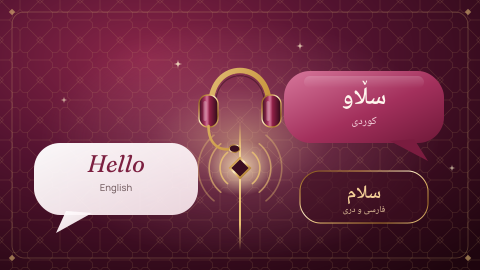
Done well, interpreting lets people talk to each other almost as if they shared a language. Whether you are a solicitor, a GP, a social worker, a teacher or a family member, a few simple habits make a real difference.
Before the session
- Brief me beforehand: the purpose of the meeting, who will be there and any sensitive topics.
- Share documents and specialist terms in advance, such as reports, names or medication.
- Tell me which language variety is needed: Kurdish (Sorani), Farsi or Dari.
- Allow extra time. Everything is said twice, so the session usually takes longer than it would in one language.
During the session
- Talk to the other person, not to me, and use the first person: ‘How are you feeling?’ rather than ‘Ask her how she feels.’
- Speak in short segments of two or three sentences, then pause so I can interpret.
- Avoid jargon, acronyms and idioms, or explain them when you use them.
- Let one person speak at a time.
What I do, and what I don’t
I interpret everything that is said, faithfully and in the first person, so you hear the other person’s own words. I stay impartial: I don’t add anything, leave anything out or give advice, and I don’t take sides. If I need to check a word, I say so openly, so both sides know what is happening. As a member of the Chartered Institute of Linguists, I keep everything confidential under its Code of Professional Conduct.