Councils, health services, schools and charities often need the same information in several languages. A good translation starts before the translator sees the text, and ends after the final file is printed or published.
Choose the right language
- Kurdish: Sorani, written in an Arabic-based script, is the main written form for Kurds from Iraq and Iran. Kurmanji, usually written in Latin letters, is used by most Kurds from Turkey and Syria.
- Persian: Farsi for readers from Iran, and Dari for readers from Afghanistan. The grammar is shared, but everyday and official words differ.
- If you are unsure, ask community groups which language and variety people actually read.
Prepare the English first
Plain English translates better. Short sentences, clear headings and no unexplained abbreviations make the translation clearer and often shorter. Finalise the English before translation starts: changes made afterwards cost time and can introduce mistakes.
Layout, fonts and a final check
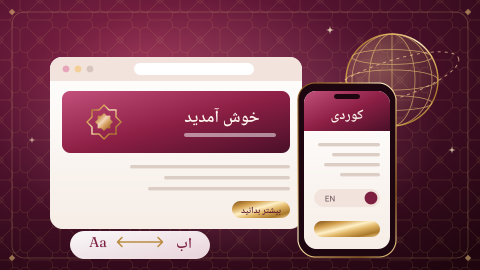
- Kurdish, Farsi and Dari run from right to left, so the whole layout should be mirrored, not just the text.
- Check that your design software supports right-to-left text. Without it, letters can appear disconnected or in reverse order.
- Use fonts that support every letter, including Kurdish letters such as ڕ ڵ ێ ۆ ە.
- Before printing, ask a native speaker to check the final designed file, not just the text.